
The Youth Athlete Dilemma: Are We Pushing Our Children to Break Before They Are Built?
We treat 12-year-olds like professional athletes, but biology doesn't care about gold medals. In this post, we explore the Youth Athlete Dilemma: the dangerous collision between the pressure to perform and the biological need to grow. Are we running their engines on empty? Learn why fueling the child must come before fueling the champion.
FUEL LIKE A CHAMPION
Iola Prieto
12/8/20258 min read
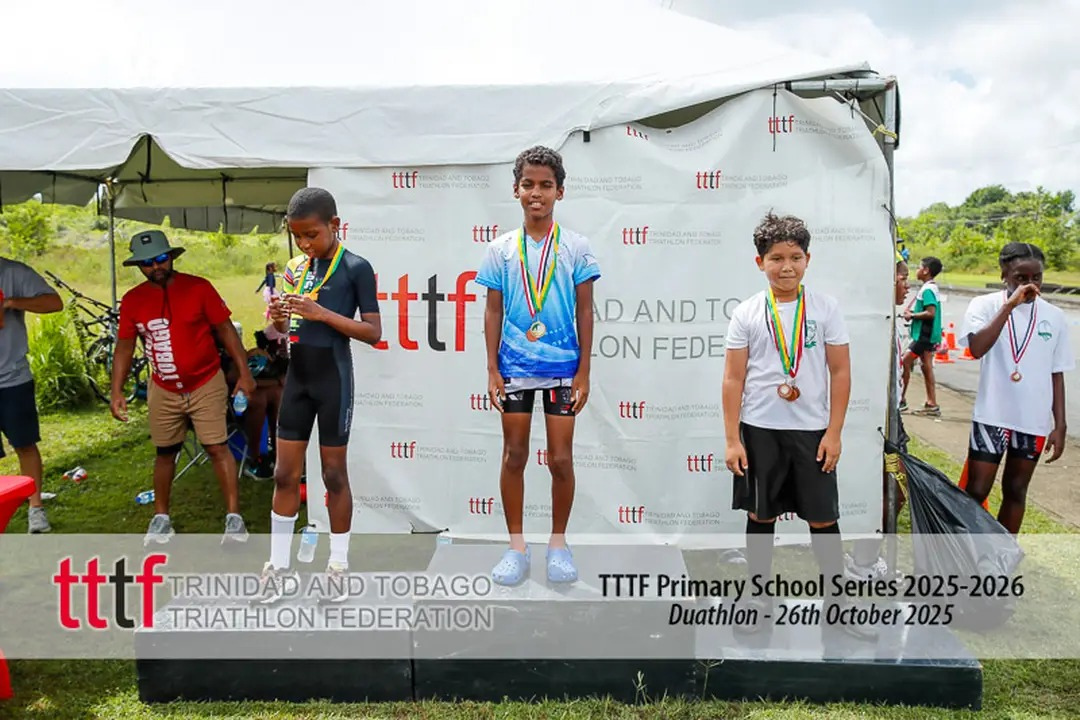
Introduction to Caribbean Sports
The Caribbean region possesses a vibrant and diverse sporting culture that has significantly contributed to its global identity. Renowned for producing exceptional athletes, the Caribbean finds itself prominently represented in fields such as cricket, track and field, and football. From the fast-paced cricket matches that capture the zeal of fans to the exhilarating sprints witnessed at prestigious events, the youth of the Caribbean are immersed in a sporting environment that promotes both passion and competitiveness.
In many Caribbean nations, the introduction to competitive sports begins at an early age. Children often participate in organized sports from as young as five or six years old. This early exposure to youth sports is viewed as a means of fostering talent and encouraging physical fitness. However, it is essential to recognize that this intense focus on early specialization can lead to significant implications for the development of young athletes.
The societal narrative around sport idolizes the success stories of accomplished athletes who have emerged from the Caribbean, creating a cycle of expectation that burdens the youth. This pressure can manifest in various dimensions, including parental aspirations, community pride, and even national representation. Young athletes in the Caribbean often find themselves grappling with intense competition, which can sometimes overshadow the fundamental purpose of participating in sports: enjoyment and personal growth.
As we delve deeper into the dilemmas faced by young athletes in this unique sporting landscape, it is crucial to consider how the high expectations and demands may impact their physical and mental well-being. The emphasis on early specialization and competitive success can inadvertently compromise the holistic development of young athletes, leading to questions about whether the prevailing approach is truly beneficial for the youth. Such considerations will form the basis for exploring the pressures confronted by youth athletes in the Caribbean sporting ecosystem.
The Pressure to Perform:
Short-Term Wins vs. Long-Term Health
In today's competitive sports environment, the pressure on young athletes to achieve immediate success can be overwhelming. Parents, coaches, and sports institutions often emphasize winning as a priority, sometimes at the expense of a child's overall health and future career in sports. This focus on short-term victories raises a pivotal question: Are we training our youth athletes to win the next match or to cultivate a sustainable, healthy athletic career?
The mindset surrounding youth sports has shifted dramatically over the years. Whereas the primary purpose of youth sports was once participation and enjoyment, there is now a significant emphasis on outcomes. This can lead to young athletes being pushed beyond their physical and mental limits in a quest for success. Coaches may feel compelled to prioritize wins while parents may envision scholarships and professional paths as the reward for their child's athletic prowess. However, this "win-at-all-costs" approach can very well jeopardize long-term athletic development.
Young athletes are still developing, and forcing them into rigorous training regimens without considering their physical maturity can result in burnout, injury, or even long-lasting health issues. This troubling trend affects not only the physical well-being of young athletes but also their psychological health. The fear of failure and the relentless pursuit of success can lead to anxiety and diminished enjoyment of the sport. Therefore, it is essential to foster an environment that encourages personal growth, sportsmanship, and resilience rather than solely focusing on immediate outcomes.
By advocating for a balanced approach that considers both immediate aspirations and the long-term health of youth athletes, we can cultivate a generation of resilient, well-rounded sports participants who not only excel in their chosen sports but also maintain a love for the activity throughout their lives.
The Biological Needs of Youth Athletes
The period of puberty and adolescence is characterized by significant biological changes that directly impact the physical development of young athletes. During this phase, individuals experience rapid bone growth, increased muscle mass, and hormonal shifts that influence their overall performance and well-being. For youth athletes, understanding these processes is crucial as they navigate the demands of training and competition. Bone density, for instance, typically increases during adolescence as a result of hormonal influences, particularly from growth hormone and sex steroids. This increase not only strengthens the skeletal system but also prepares it for future physical stresses.
However, the intense training regimens often thrust upon young athletes can conflict with these natural developmental milestones. Many training programs do not consider the unique growth patterns of youth, which can lead to overtraining, injuries, or burnout. The risk is particularly pronounced for sports that require high-impact activities or repetitive motions. As bones and muscles undergo construction phases, premature and excessive physical demands can hinder proper development, potentially causing long-term repercussions. It is essential to tailor training approaches that align with the biological growth stages of young athletes, allowing for adequate recovery and adaptation periods.
Achieving balance is critical. Coaches, trainers, and parents must recognize the significance of developmental biology in sports training for youth. This involves not only acknowledging the ongoing physical changes but also modifying training programs to accommodate these alterations. By fostering an environment that respects and supports the physiological needs of youth athletes, we can enhance their performance and reduce the risk of injury. A comprehensive understanding of these biological processes is essential to promote healthier athletic pathways for the youth, ensuring that they are not pushed beyond their capabilities before they are fully developed.
The Collision Course of Growth and Performance
The intersection of physical growth and competitive performance often places young athletes on a precarious path where the demands of sports may overshadow their developmental needs. The intense focus on athletic achievement can lead to a myriad of challenges, stemming from the excessive training regimens that prioritize short-term success over long-term health and physical maturation. This collision course manifests itself in various ways, significantly impacting the growth trajectory of youth athletes.
For many young individuals engaged in sports, rigorous training schedules can lead to overuse injuries, which not only hinder athletic performance but can also impede physical development. The body of a child is still undergoing crucial changes as they grow, and when subjected to the strenuous demands of competitive sports, it may struggle to keep pace with the escalating expectations. This scenario is problematic, particularly when young athletes are encouraged to specialize in a single sport at an early age, often resulting in physical exhaustion and burnout. Consequently, instead of fostering a love for the game, this early specialization can alienate them from sports altogether.
Moreover, the psychological pressure associated with high-stakes competition can further exacerbate the situation. Young athletes may experience anxiety and stress related to performance, which can affect not only their mental well-being but also the quality of their training and growth. It is crucial for coaches, parents, and sports organizations to recognize the delicate balance between fostering athletic talent and allowing children the freedom to grow physically and emotionally. Prioritizing healthy development over immediate competitive success can cultivate a more sustainable approach to youth sports, ultimately leading to more fulfilling and enjoyable experiences for young athletes.
Understanding Relative Energy Deficiency in Sport
Relative Energy Deficiency in Sport (RED-S) is a critical concept that highlights the consequences of insufficient energy availability for athletes. This condition occurs when the energy intake of an athlete does not meet their energy expenditure, leading to a range of physical, psychological, and social impairments. It is essential to recognize that energy balance is crucial for optimal performance, and a deficit can result in detrimental effects on an athlete’s health and training capabilities.
A compelling analogy to illustrate the implications of inadequate energy intake is the idea of trying to drive a car from Port-of-Spain to San Fernando with only $20 worth of gas. Just as a vehicle requires enough fuel to reach its destination, athletes need adequate energy reserves to sustain training, recovery, and overall functioning. When an athlete consistently operates on limited energy, their performance diminishes, similar to a car sputtering due to lack of fuel.
RED-S can lead to a multitude of health issues. Female athletes may experience disturbances in their menstrual cycles, which is a significant indicator of hormonal and overall health. Inadequate energy availability also compromises bone health, increases the risk of injuries, and may hinder growth and development in young athletes. Additionally, athletes may face psychological consequences such as increased risk of anxiety and depression, often stemming from pressure to perform during high-stakes competitions.
This multifaceted condition is not exclusive to one gender; both male and female athletes can experience the adverse effects of RED-S, albeit in different manifestations. Awareness of this issue is crucial for coaches, parents, and young athletes alike. A deeper understanding of RED-S is essential in fostering an environment where energy needs are prioritized, ensuring that athletes can develop healthily while striving for success.
Immediate Effects of RED-S on Young Athletes
Relative Energy Deficiency in Sport (RED-S) can significantly impact the health and performance of young athletes. This condition occurs when there is an imbalance between energy intake and the energy expended during training and competition. The immediate effects of RED-S manifest physically and psychologically, influencing not only performance but also overall well-being.
One of the most common physical symptoms of RED-S is persistent fatigue. Young athletes may experience a marked decrease in their energy levels, which can hinder their ability to train effectively and perform during competitions. This fatigue can stem from inadequate caloric intake coupled with intensive sporting activities. As their energy reserve diminishes, young athletes can also suffer from reduced strength and stamina, leading to subpar performance.
Mood swings represent another concerning psychological effect of energy deficiency. Athletes may exhibit changes in their emotional state, experiencing increased irritability or anxiety. These fluctuations can be detrimental, impacting both training and competition environments. Furthermore, a young athlete may become less motivated, which can perpetuate a cycle of underperformance and increased stress regarding their athletic aspirations.
The risk of injuries significantly escalates due to RED-S as well. Young athletes who are energy deficient have a heightened risk of stress fractures and other overuse injuries. For instance, a case study highlighted an adolescent runner with RED-S who sustained multiple stress fractures due to inadequate recovery and persistent fatigue. Ignoring the signs of energy deficiency, like these indicators, can have long-term effects on their athletic and personal lives. Recognizing and addressing these signs early becomes crucial in establishing a balanced approach to both training and nutrition.
Promoting Healthy Practices in Youth Sports
In recent years, the conversation surrounding youth sports has shifted towards the importance of implementing healthy practices that prioritize the well-being of young athletes. Coaches, parents, and sports organizations play a crucial role in fostering an environment that encourages balanced training, proper nutrition, and age-appropriate competition. It is imperative to recognize that youth sports should be centered around fun, skill development, and personal growth rather than solely focusing on competitive success.
One of the foundational elements of promoting healthy practices is the education of coaches and parents. Workshops and training programs can help them understand the physiological and psychological needs of young athletes. Coaches should be trained to focus on the long-term development of skills rather than short-term victories. This mindset not only improves athletes' skills but also reduces burnout and injury risks. Parents, on the other hand, must learn to support their children, emphasizing their enjoyment of the sport rather than placing undue pressure on performance.
Additionally, proper nutrition plays a significant role in ensuring that youth athletes are prepared for the physical demands of their sport. Sports organizations can facilitate nutrition education programs that empower young athletes to make healthier choices, fostering an understanding of the critical role that diet plays in athletic performance and overall health. Awareness initiatives can highlight the risks associated with unhealthy eating habits and dehydration, alleviating some of the potential pitfalls that young athletes face.
Policy changes at the institutional level can further reinforce these healthy practices within youth sports. Implementing guidelines on training intensity, recovery periods, and competition scheduling can contribute to a more sustainable approach. By adopting policies that limit the number of games or practices per week, organizations can reduce the risk of overtraining and injuries. In conclusion, fostering an environment that promotes healthy, balanced practices in youth sports requires a cooperative effort among coaches, parents, and institutions to ensure that young athletes receive the support they need to thrive.
Wellness
Empowering you through fitness and nutrition coaching.
Contact Us
Join The Staymoving community
+1-868-359-9361
© 2025. All rights reserved.