
The Gut-Brain Connection: Week 5 - Hydration's Impact on Mood and Focus
Lets confront the local reality. Learn how chronic dehydration impacts the Gut-Brain Connection, reducing patience, spiking stress (linked to crime), and exacerbating the health toll of our obesogenic environment. Your clear mind and stable mood start with quality water, spring water.
SPRING WATER TUESDAY!
Iola Prieto
12/10/20258 min read
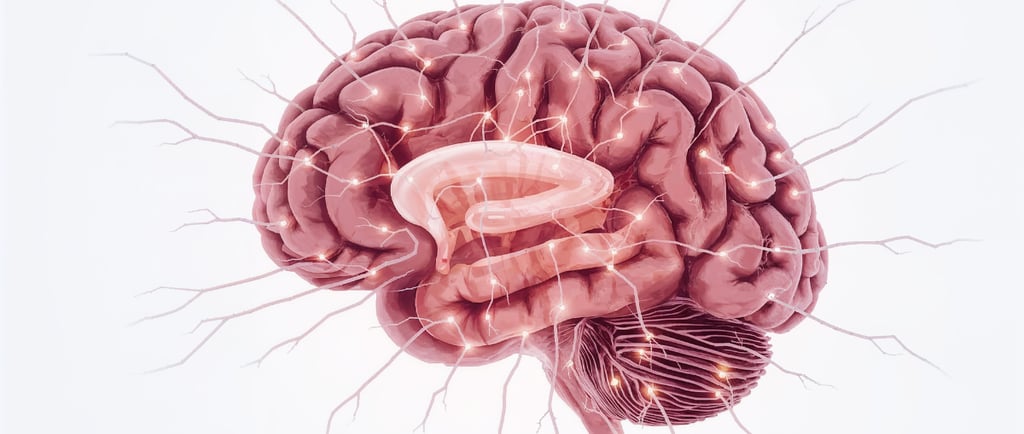
Understanding the Gut-Brain Axis
Welcome back to Spring Water Tuesdays! For weeks, we’ve explored the visible benefits of true spring water, its purity, its mineral content, and its role in physical performance. Today, we delve into the most complex and critical system of all: the Gut-Brain Axis and the surprising role quality hydration plays in regulating mood, focus, and emotional stability.
The gut-brain axis is a complex and bidirectional communication system that links the gastrointestinal tract and the central nervous system. This intricate network of signaling pathways involves various biological factors, including neural, hormonal, and immunological components, which work synergistically to maintain homeostasis within the body. In recent years, growing interest has emerged in how gut health can significantly influence mental health, cognitive performance, and emotional stability.
At the core of the gut-brain axis is the microbiome, a diverse community of microorganisms residing in the intestines. These microbes play a crucial role in digestive health, nutrient absorption, and modulating immune responses. Emerging studies suggest that the gut microbiome also impacts neuronal activity and behavior through the production of neurotransmitters, such as serotonin and gamma-aminobutyric acid (GABA). These biochemical messengers travel through various pathways to the brain, where they can affect mood and cognitive function.
Research has indicated a substantial connection between gut health and the risk of developing mental health disorders, such as anxiety and depression. For instance, individuals with an imbalanced gut microbiome may experience disruption in their mood and cognitive abilities due to increased inflammation and altered neurotransmitter levels. Additionally, studies have demonstrated that probiotic supplementation, which aims to restore healthy gut flora, can lead to improved mood and emotional well-being.
Furthermore, hydration plays a vital role in maintaining a healthy gut environment. Adequate water intake is essential for optimal digestion, nutrient transportation, and elimination of waste products from the body. Ensuring proper hydration can support microbiome balance and positively influence the connection between gut health and brain function. Understanding the gut-brain axis provides foundational knowledge that underscores the importance of hydration for sustaining overall health and well-being.
The Role of Hydration in Cognitive Function
The significance of hydration extends beyond mere physical health; it plays a crucial role in cognitive functioning, which involves mental processes such as attention, memory, and learning. Scientific research has consistently shown that even mild dehydration can impair cognitive abilities. A study published in the journal "Frontiers in Human Neuroscience" indicated that participants who were slightly dehydrated exhibited reduced attention spans and diminished memory performance compared to those adequately hydrated. This deterioration in cognitive functions can impact daily activities, work efficiency, and overall quality of life.
In particular, hydration significantly affects the prefrontal cortex, the brain area responsible for decision-making and problem-solving. Research has shown that when the body is dehydrated, the brain's ability to perform these complex tasks is hindered, suggesting a direct link between hydration levels and cognitive performance. Furthermore, hydrating adequately has been associated with improved mood, thus highlighting the interconnected nature of physical and mental well-being.
In a Caribbean context, especially in regions such as Trinidad and Tobago, the challenges of heat and humidity can exacerbate the risk of dehydration. The tropical environment necessitates greater water intake, as the body loses fluids more rapidly through sweat. Anecdotal evidence from local residents supports the notion that hydration is vital for maintaining focus and clarity, particularly during intense heat or prolonged exposure to outdoor conditions.
In conclusion, understanding the role of hydration in cognitive function is essential, particularly in hot and humid climates. By prioritizing adequate water intake, individuals can enhance their cognitive abilities, ensuring better performance in various aspects of life, from academic pursuits to professional responsibilities. It is essential for communities, especially in tropical regions, to recognize the importance of hydration not only for physical health but also for the enhancement of mental acuity and overall quality of life.
The Psychological Effects of Dehydration
The relationship between hydration and mood is an area of increasing interest among researchers and mental health professionals. Studies have consistently shown that dehydration can lead to adverse psychological effects, including increased irritability, anxiety, and stress. When the body experiences a lack of water, it not only affects physical functions but also disrupts neurotransmitter balance, which plays a crucial role in regulating mood and cognition.
One of the key findings in this domain is that even mild dehydration can modify mood states. A study published in the journal "Nutritional Neuroscience" indicated that participants who were mildly dehydrated reported a higher prevalence of negative emotions and reduced feelings of contentment. This research suggests that maintaining adequate hydration levels is essential for sustaining emotional well-being and optimizing cognitive functions.
Furthermore, the psychological impact of dehydration may be even more pronounced in certain cultural contexts. In densely populated and high-crime areas, such as many locations in the Caribbean, the interplay between hydration and stress could manifest uniquely. The high demand for emotional resilience in such environments may exacerbate the effects of dehydration, leading to heightened stress levels and a greater incidence of mood disorders. As people in these contexts may not prioritize hydration due to socioeconomic constraints or lack of awareness, the implications for mental health can be severe.
Therefore, it becomes evident that adequate hydration is not merely a physical necessity but a crucial component for emotional stability. Recognizing the psychological effects of dehydration can assist in formulating effective strategies for improving mental health, particularly in populations facing additional stressors. By fostering a culture of hydration awareness, individuals may better equip themselves to manage mood and maintain focus in challenging circumstances.
Obesogenic Trends and Their Impact on Hydration
The Caribbean, particularly Trinidad and Tobago, is facing significant challenges stemming from an obesogenic environment that adversely affects hydration habits. This environment is characterized by the availability of highly processed foods, sugary beverages, and a sedentary lifestyle, all of which contribute to poor dietary choices. As urbanization has advanced, convenience foods have become increasingly accessible, leading to a preference for less nutritious options over whole foods, which are essential for maintaining proper hydration levels.
Modern diets in Trinidad and Tobago often lack adequate amounts of fruits and vegetables, which are vital sources of water and essential nutrients. This dietary shift, combined with a growing tendency towards consuming beverages high in sugars and artificial additives, can exacerbate dehydration. Moreover, heavy reliance on fast food outlets has further entrenched these trends, often at the expense of traditional meals that promote hydration and health. This imbalance not only strengthens the prevalence of obesity but also diminishes the intrinsic link between adequate hydration, cognitive function, and mood regulation.
Inattention to hydration can have dire consequences on mental health, as dehydration is closely associated with cognitive impairments and mood disturbances. When individuals consume fewer hydrating foods or beverages, they may experience difficulties focusing, reduced alertness, and mood swings. Research continues to support the notion that even mild dehydration can affect mood negatively and hinder cognitive processes such as memory and attention. Thus, it becomes evident that the implications of an obesogenic environment extend beyond physical health and enter the realm of mental and emotional well-being.
The interconnection between hydration and mood is particularly significant in urban communities where rapid lifestyle changes may contribute to these issues. Recognizing and addressing the obesogenic circumstances that lead to poor hydration practices is crucial. By fostering healthier dietary options and promoting awareness about the importance of hydration, communities can combat these trends and enhance both physical and mental health outcomes.
The Link Between Dehydration, Stress, and Criminal Behavior
Research indicates a complex interplay between dehydration, elevated stress levels, and criminal behavior, a relationship that emerges prominently in various sociocultural contexts, including Trinidad and Tobago. Dehydration, often overlooked in discussions about mental and emotional health, has the potential to exacerbate stress responses in individuals, creating a fertile environment for negative behaviors, including aggression and impulsivity. This relationship can manifest in higher crime rates, particularly in areas where access to clean drinking water and proper hydration practices are limited.
In Trinidad and Tobago, the sociocultural dynamics reveal distinctive patterns of behavior that can be influenced by physiological factors, such as hydration levels. When individuals are dehydrated, their cognitive performance, decision-making, and emotional regulation may be impaired. This can lead to a heightened sense of vulnerability to stress, triggering aggressive reactions in high-pressure situations. Consequently, such emotional volatility can contribute to increased instances of conflict and violence within neighborhoods.
Furthermore, the connection between dehydration and stress is essential to the broader discussion of public health and crime prevention. Efforts to improve hydration accessibility, educate communities on the importance of fluid intake, and promote healthier lifestyles could serve as preventive measures against the underlying stressors that may fuel aggressive behaviors. Recognizing that hydration plays a vital role not just in physical health but also in emotional regulation could redirect the focus of crime prevention strategies to more holistic approaches, addressing the root causes of violence rather than merely its manifestations.
Ultimately, acknowledging the link between dehydration, stress, and criminal behavior underscores the necessity for community-oriented solutions that address these health factors. As we deepen our understanding of the gut-brain connection, we can explore new avenues for mitigating crime and enhancing community well-being through better hydration practices.
Practical Tips for Staying Hydrated in a Caribbean Climate
Living in a Caribbean climate presents unique challenges when it comes to hydration. The combination of high temperatures and humidity can quickly deplete the body’s water levels, impacting not only physical health but also mood and cognitive performance. To stay adequately hydrated, it is essential to adopt effective strategies tailored to this environment.
One of the simplest yet most impactful hydration tips is to carry a reusable water bottle at all times. This ensures that you have easy access to water throughout the day. Aim to sip regularly rather than consuming large quantities all at once. This constant intake can help maintain optimal hydration levels, enhancing both your focus and mood as the day progresses. It’s helpful to set reminders or use smartphone apps that track your water intake, particularly on those hot Caribbean days when it can be easy to forget.
Additionally, consider local hydration sources that not only replenish fluids but also offer additional health benefits. Coconut water is a prime example, rich in electrolytes and natural sugars, making it a refreshing alternative to traditional sports drinks. Its natural hydration properties can significantly aid in recovering from the heat, fostering a positive state of mind and improving mental clarity.
Finally, incorporating hydrating foods into your diet can further support your hydration goals. Fruits such as watermelon, pineapple, and cucumbers not only provide essential vitamins but also contribute to your fluid intake. Preparing a delicious fruit salad or a smoothie can be an enjoyable and nutritious way to stay hydrated while savoring the flavors of the Caribbean.
By implementing these strategies, you can ensure that you remain hydrated and maintain an elevated mood and focus, making the most of your vibrant Caribbean lifestyle.
Looking Ahead: Nourishing Your Skin from Within
As we draw our discussion on the gut-brain connection and its influence on hydration's role in mood and focus to a close, it is essential to recognize that this relationship extends beyond mental clarity. Hydration plays a critical role in skin health as well, and understanding this interconnectedness can enhance your overall well-being. The implications of proper hydration are not merely limited to mental and emotional states; they reach out to the very surface that holds our physical identity the skin.
Research has demonstrated that adequate water intake can contribute to skin elasticity, texture, and overall appearance. When the body is well-hydrated, it aids in flushing out toxins, thereby improving complexion and reducing the likelihood of breakouts. Thus, maintaining hydration is vital not only for fostering health in the brain and gut but also as a fundamental element for achieving a radiant and healthy skin tone.
Next week, in our upcoming blog titled "The Spring Water Secret to a Radiant Glow," we will delve deeper into the specific ways hydration can enhance your skin health. We will explore exciting natural remedies and the impact of various water sources on your skin's vitality. This exploration will further uncover how nourishing your skin from within not only impacts its outer appearance but also reflects the state of your overall health.
As we wrap this up, let us remember that our bodies are a complex network, where every function is intricately linked. Optimizing hydration serves as a bridge to not only elevate mood and cognitive function but also to cultivate the radiant skin we all desire. Join us next week as we embark on this journey towards understanding how inner nourishment not only revitalizes our physical appearance but also shines through in our very essence.
Wellness
Empowering you through fitness and nutrition coaching.
Contact Us
Join The Staymoving community
+1-868-359-9361
© 2025. All rights reserved.