
The Enigma of the Duck Flower: Traditional Use, Detox Claims, and Serious Risks
The Duck Flower, scientifically known as Aristolochia grandiflora, is a plant shrouded in mystique, particularly within certain traditional and alternative health communities. Hailing from the Caribbean and Central America, this striking, unusually shaped flower has garnered attention for its purported potent detoxifying properties. However, beneath the exotic allure and anecdotal claims lies a complex reality, fraught with significant health risks that demand serious consideration.
BOTANICALS
Iola Prieto
12/30/20255 min read
A Flower of Striking Appearance and Ancient Roots
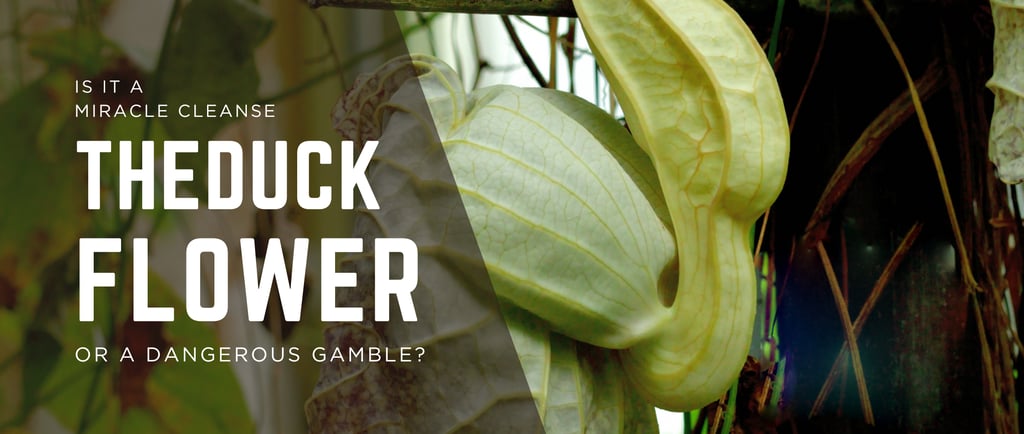
The Duck Flower is truly a sight to behold. Its common name is a direct nod to its unique shape, which strikingly resembles a duck in flight, complete with a "beak" and "wings." The flower itself can be quite large, often showcasing intricate patterns of maroon, purple, and yellow, designed to attract its primary pollinators flies. It possesses a strong, some would say unpleasant, odor, which is another adaptation for attracting these insects.
Botanically, Aristolochia grandiflora belongs to the genus Aristolochia, a group of plants with a long history of traditional medicinal use across various cultures worldwide. For centuries, different species within this genus have been employed by indigenous healers for a wide array of ailments, from snake bites and skin conditions to digestive issues and childbirth complications. The Duck Flower, specifically, has found its niche in certain Afro-Caribbean folk medicine traditions, particularly in Jamaica and other parts of the Caribbean diaspora.
Traditional Use and the Allure of "Detox"
In the context of traditional Caribbean herbalism, the Duck Flower is primarily revered for its purported ability to induce a powerful full-body cleanse or "detoxification." Proponents claim that consuming the dried flower can help purge the body of toxins, mucus, parasites, and accumulated waste, thereby revitalizing the system and promoting overall well-being. This "detox" is often described as a very intense and rapid process, leading to significant expulsion from the bowels and sometimes vomiting.
The mechanism behind these claims is often vaguely attributed to the plant's natural compounds stimulating extreme bowel motility and diuresis. Users might describe feeling lighter, clearer-headed, and experiencing improved energy after undergoing a Duck Flower cleanse. It's often promoted as a periodic reset for the body, particularly for individuals feeling sluggish, experiencing digestive issues, or believing they need a profound internal purification.
Beyond detoxification, some traditional uses of other Aristolochia species have included anti-inflammatory, antimicrobial, and even anti-cancer properties, though these specific claims for Aristolochia grandiflora are less prominent in popular discourse compared to its detox reputation.
Preparation: A Ritual of Potency
The traditional preparation and consumption of the Duck Flower are often described with a degree of reverence, highlighting its potency. Typically, the dried flower is rehydrated in water, sometimes blended into a smoothie with fruit, or simply eaten whole. The entire process is usually undertaken with a clear intention for purification.
Users are often advised to consume the flower on an empty stomach to maximize its effect. The experience that follows is usually described as profound and intense, characterized by strong cramping, profuse sweating, vomiting, and frequent, forceful bowel movements. This extreme physiological reaction is interpreted by adherents as evidence of the "detoxification" process in action. The duration and intensity of these symptoms can vary, but generally last for several hours.
The Elephant in the Room: Aristolochic Acid
Here is where the narrative of the miraculous detox takes a perilous turn. The genus Aristolochia is notorious for containing a group of compounds called aristolochic acids (AAs). These natural plant compounds are potent toxins, classified by the International Agency for Research on Cancer (IARC) as Group 1 carcinogens, meaning they are definitively carcinogenic to humans.
The presence of aristolochic acids in many Aristolochia species, including Aristolochia grandiflora, is the primary reason why these plants are considered extremely dangerous for internal consumption.
The Grave Risks Associated with Aristolochic Acids:
Aristolochic Acid Nephropathy (AAN): This is perhaps the most devastating and well-documented effect of AA exposure. AAN is a rapidly progressive form of kidney failure that can lead to irreversible damage, often requiring dialysis or kidney transplantation. The damage can occur even with seemingly small or infrequent doses and can manifest years after exposure. The insidious nature of AAN is that it often presents without obvious symptoms until the kidneys are severely compromised.
Carcinogenicity (Cancer): As mentioned, AAs are potent carcinogens. They bind to DNA, forming specific adducts that lead to mutations, particularly in the TP53 tumor suppressor gene, a critical gene involved in preventing cancer. Exposure to AAs is strongly linked to various cancers, most notably urothelial carcinoma (cancers of the urinary tract, including the kidneys, ureters, bladder, and urethra). These cancers can be highly aggressive and difficult to treat.
Hepatotoxicity (Liver Damage): While less publicized than kidney damage, there is evidence to suggest that AAs can also cause damage to the liver.
Other Potential Adverse Effects: Given the systemic absorption of AAs, other potential risks could include damage to other organs, although kidney and urinary tract issues are the most prominent concerns.
The Science vs. Anecdote Conundrum
The stark contrast between anecdotal claims of profound benefits and the overwhelming scientific evidence of severe harm creates a dangerous dilemma. While individuals may report feeling "better" or "cleansed" after using the Duck Flower, this subjective experience does not negate the objective reality of cellular damage and long-term health risks. The immediate, intense purgative effects might be perceived as beneficial detoxification, but they are more accurately described as a severe physiological stress response to a potent toxin.
Many traditional practices often rely on generations of empirical observation, but even long-standing traditions can carry risks, especially when scientific understanding of specific compounds evolves. The challenge lies in respecting cultural practices while ensuring public safety based on robust scientific data.
Regulatory Status and Public Health Warnings
Given the severe health risks, many regulatory bodies worldwide have issued strong warnings or banned products containing Aristolochia species.
The U.S. Food and Drug Administration (FDA) has issued multiple warnings regarding products containing aristolochic acid, urging consumers to avoid them due to the risk of kidney failure and cancer.
Similar warnings and bans are in place in Europe, Canada, Australia, and other regions, reflecting a global consensus on the danger of these plants.
Despite these warnings, the Duck Flower and other Aristolochia-containing products can still be found through online retailers, herbal shops, and informal networks, often marketed with appealing "natural detox" claims that unfortunately obscure the critical dangers.
Making an Informed Decision: Prioritizing Health
For individuals considering using the Duck Flower or any product containing Aristolochia species, it is imperative to be fully aware of the documented risks. The allure of a "natural detox" can be strong, but the potential for irreversible kidney damage and cancer is a price too high to pay.
Alternatives for promoting well-being and detoxification are abundant and safe:
Hydration: Drinking plenty of Spring Water is one of the best ways to support kidney function and overall cellular health.
Fiber-Rich Diet: Consuming a diet rich in fruits, vegetables, and whole grains supports healthy digestion and regular bowel movements, naturally aiding the body's elimination processes.
Regular Exercise: Physical activity improves circulation, lymphatic drainage, and overall metabolic health.
Adequate Sleep: Rest is crucial for cellular repair and organ function.
Avoiding Processed Foods and Toxins: Minimizing exposure to environmental toxins and unhealthy dietary components can significantly reduce the burden on the body's natural detoxification systems.
Consulting Healthcare Professionals: For any health concerns or before embarking on a significant dietary or supplement change, consulting a doctor or a nutrition therapy practitioner is always recommended. They can provide evidence-based advice tailored to individual health needs.
Conclusion: A Risky Proposition
The Duck Flower, with its captivating appearance and deep roots in traditional medicine, presents a classic case of beauty masking danger. While proponents swear by its detoxifying powers, the scientific evidence regarding aristolochic acids unequivocally points to severe and potentially fatal risks, particularly to the kidneys and urinary tract.
In an age of increasing awareness about natural health, it is vital to approach herbal remedies with both an open mind and a critical, informed perspective. When it comes to the Duck Flower, the overwhelming consensus from the scientific and medical community is clear: the risks far outweigh any purported benefits. Prioritizing long-term health and safety means opting for proven, safe methods of well-being and respectfully acknowledging that some traditional remedies, however fascinating, can harbor hidden and profound dangers.
Wellness
Empowering you through fitness and nutrition coaching.
Contact Us
Join The Staymoving community
+1-868-359-9361
© 2025. All rights reserved.