
Spring Water Tuesdays: Week 7 - Cooking with Clarity: Elevating Your Recipes with Quality Water
Welcome back to another episode of Spring Water Tuesdays. Over the last six weeks, we have explored the biological, neurological, and dermatological benefits of high-quality hydration. We have established that the water you drink is a foundational pillar for your performance, your mood, your skin’s radiant glow and much more. This week, we step out of the training room and the vanity and move into the heart of the Caribbean home: the kitchen. In our culinary culture, we spend hours sourcing the freshest pimento peppers, the perfect bundles of shado beni, and the highest quality meats, yet we often overlook the single largest ingredient in almost every recipe we prepare. Whether you are brewing your morning coffee, steeping a pot of tea, or simmering a Sunday callaloo, the water you use is the silent conductor of flavor. This week, we explore the science of culinary clarity and how switching from tap to natural spring water can elevate your recipes from standard to world-class.
SPRING WATER TUESDAY!
Iola Prieto
12/30/20253 min read
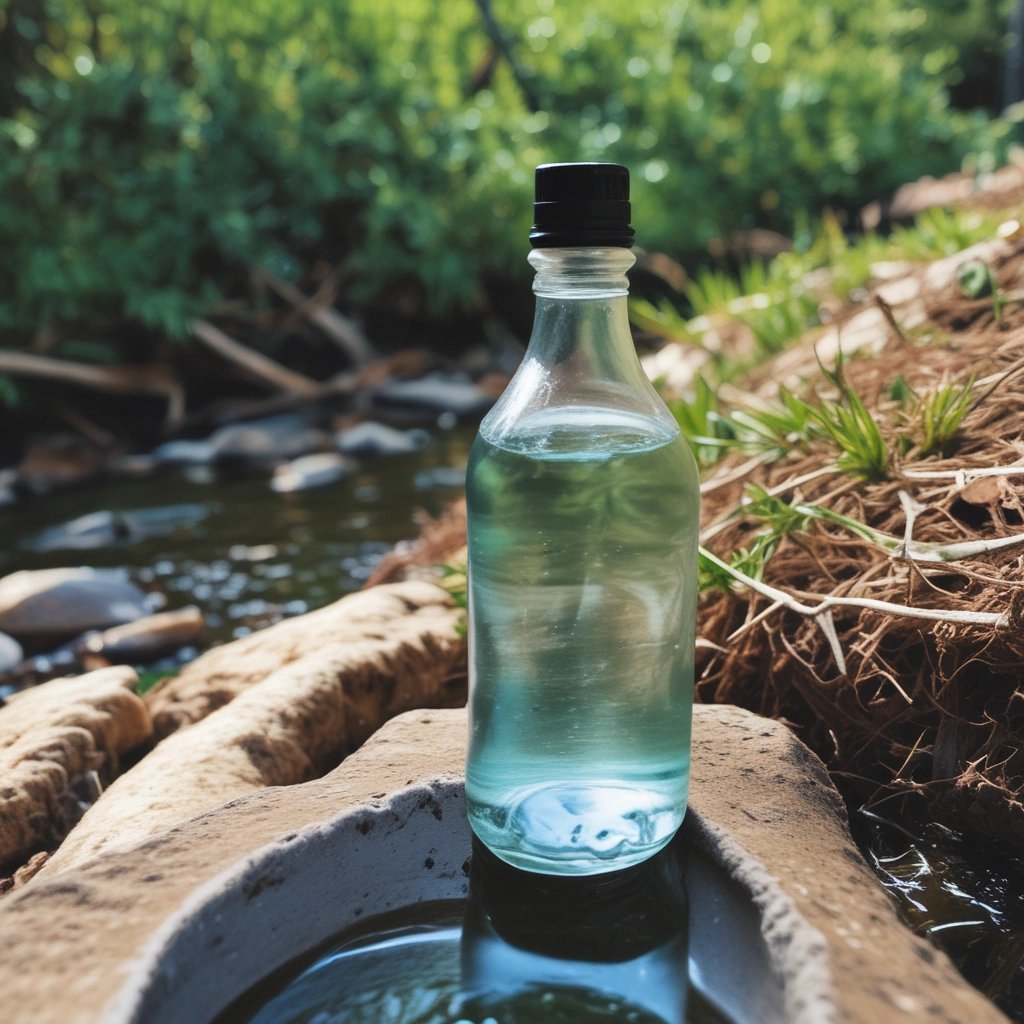
To understand why water quality matters in cooking, we must first look at the chemistry of extraction. Water is a solvent, meaning its job is to pull flavors out of solid ingredients and hold them in suspension. When you use municipal tap water, you are starting with a fluid that is often chemically treated with chlorine and contains varying levels of sediments from aging infrastructure. These chemicals don't just sit in the water; they interact with your ingredients. Chlorine, in particular, is a volatile element that can chemically "bleach" the delicate aromatic compounds in expensive coffee beans or fine tea leaves. This results in a flat, metallic, or unpleasantly bitter profile that masks the true notes of your brew. By using natural spring water, you provide a clean, neutral canvas that allows the authentic terroir of your coffee or tea to shine through without interference.
The relationship between water and your morning caffeine is specifically governed by the mineral content we have discussed throughout this series. For a perfect extraction, water needs a balanced "hardness" specifically a certain level of calcium and magnesium. These minerals act like tiny magnets that help pull the flavorful oils and sugars out of the coffee grounds. Purely distilled or overly softened water often results in a weak, sour cup because it lacks the "grip" to extract those flavors. Conversely, tap water with high, inconsistent mineral spikes can lead to over-extraction, leaving you with a cup that tastes harsh or burnt. Natural spring water provides that "Goldilocks" mineral profile enough magnesium to enhance the sweetness and enough calcium to provide body, resulting in a balanced, cafe quality experience at home.
This principle extends deeply into the long-simmered dishes that define the Caribbean palate. Think about the construction of a soup, a stew, or a pot of beans. These dishes rely on the slow breakdown of fibers and the infusion of spices into a liquid base. When you use quality spring water as your base for a corn soup or a hearty dhal, the lack of chemical impurities ensures that the natural sweetness of the corn or the earthy richness of the split peas isn't compromised. Furthermore, the natural alkalinity found in many spring waters can actually affect the texture of your grains and legumes. Slightly alkaline water helps to soften the pectins in the cell walls of beans and rice, often resulting in a fluffier grain and a creamier bean texture without the need for excessive softening agents or prolonged pressure cooking.
We must also consider the "reduction" factor in culinary arts. Many of our favorite Caribbean recipes, such as brown down chicken or curries, involve reducing the liquid to intensify the sauce. If you start with tap water containing high levels of chlorine or undesirable salts, those elements do not evaporate; instead, they become concentrated as the water boils away. This can lead to a finished dish that is unintentionally salty or has a strange "chemical" aftertaste. Using spring water ensures that as your sauces reduce, you are concentrating only the flavors of your seasonings and fresh produce, maintaining a clean and professional finish to your meals. Even the ice cubes you use in your fruit juices or evening drinks matter; ice made from tap water often traps gases and impurities that release into your drink as they melt, altering the flavor of your homemade ginger beer or sorrel.
In conclusion, quality cooking is an exercise in precision, and that precision should never stop at your water source. If you are willing to invest in the best seasonings and the freshest local produce, it only makes sense to invest in the medium that brings those flavors to life. By switching to natural spring water for your culinary needs, you are removing chemical barriers and providing the mineral support necessary for perfect extraction and texture. Your kitchen is a laboratory of flavor, and every laboratory performs better with the right elements. Elevate your coffee, brighten your teas, and bring a new level of clarity to your favorite local dishes by recognizing that in cooking, the water is just as important as the flame.
Next Tuesday, we reach the grand finale of our 8-week journey. We will conclude Spring Water Tuesdays with our most performance driven topic yet: Spring Water for Athletes: Optimizing Performance and Recovery. We will tie everything together, from cellular science to electrolyte balance to show you exactly how to use our natural spring water as a competitive edge to train harder, recover faster, and reach your peak athletic potential.
See you then!
Wellness
Empowering you through fitness and nutrition coaching.
Contact Us
Join The Staymoving community
+1-868-359-9361
© 2025. All rights reserved.